
lukeguerin1721
About lukeguerin1721
The Science and Use Of Modafinil 100mg Tablets: A Comprehensive Overview
Introduction
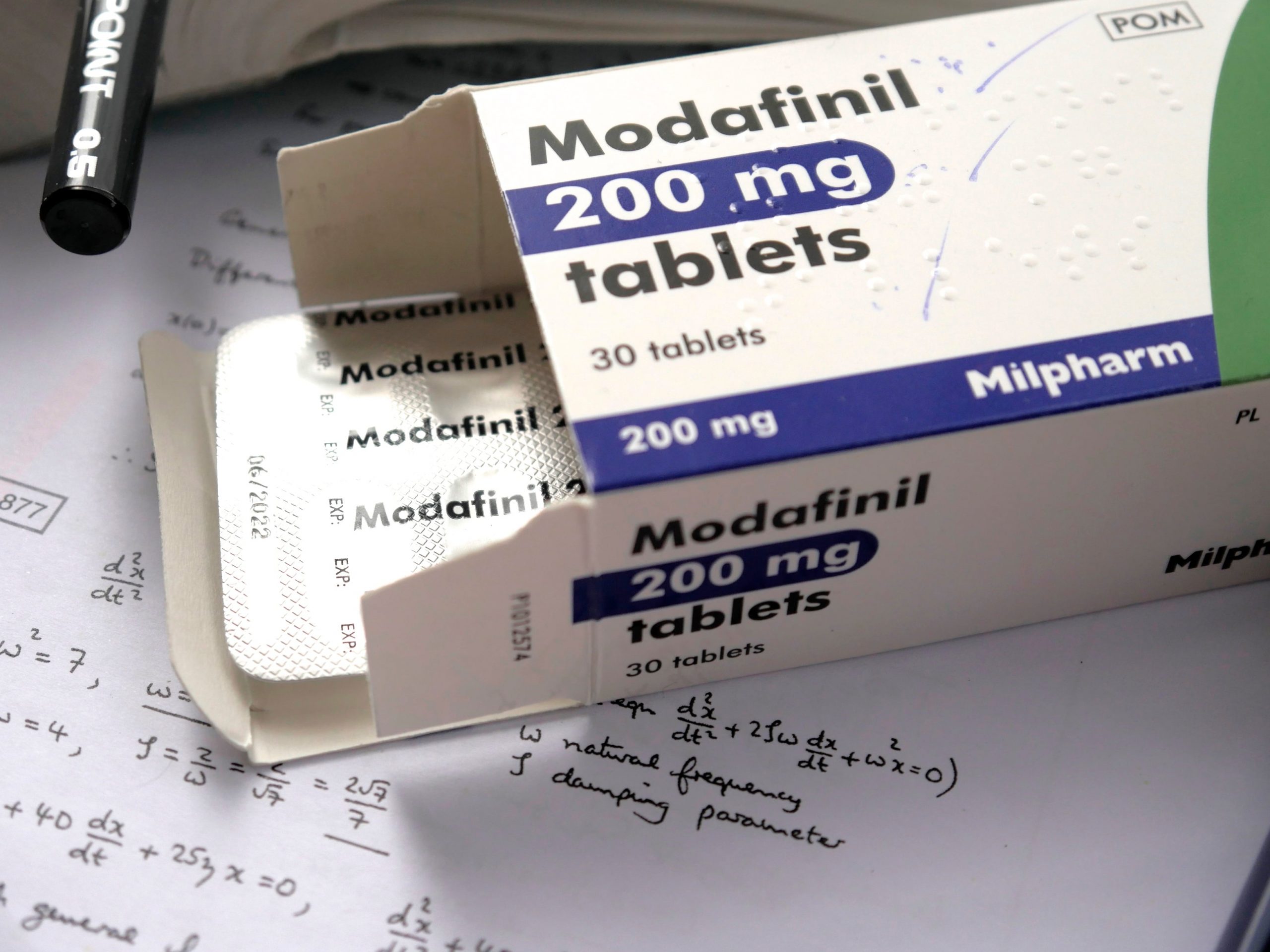
Modafinil, a wakefulness-promoting agent, has garnered important attention since its approval for the therapy of narcolepsy, obstructive sleep apnea, and shift work sleep disorder. The 100mg tablet of modafinil has turn out to be a popular alternative among healthcare suppliers and patients alike attributable to its efficacy and comparatively favorable security profile. This article delves into the pharmacology, therapeutic uses, potential side effects, and the ethical concerns surrounding the use of modafinil.
Pharmacological Profile
Modafinil is categorized as a eugeroic, a time period used to explain substances that promote wakefulness with out the stimulating effects commonly related to traditional stimulants like amphetamines. The precise mechanism of action of modafinil remains not absolutely understood; however, it is believed to involve several neurotransmitter systems, including dopamine, norepinephrine, and orexin. Research indicates that modafinil enhances the release of dopamine within the mind, which may contribute to its wakefulness-promoting effects.
The pharmacokinetics of modafinil reveal that it is rapidly absorbed, with peak plasma concentrations occurring roughly 2-4 hours after oral administration. The drug is metabolized in the liver primarily by cytochrome P450 enzymes, particularly CYP3A4, and has a half-life starting from 12 to 15 hours, allowing for once-daily dosing.
Therapeutic Makes use of
Modafinil is primarily prescribed for the next conditions:
- Narcolepsy: A chronic sleep disorder characterized by extreme daytime sleepiness and sudden sleep assaults. Modafinil helps patients maintain wakefulness all through the day.
- Obstructive Sleep Apnea (OSA): Patients with OSA typically expertise excessive daytime sleepiness despite using continuous constructive airway pressure (CPAP) therapy. Modafinil can be utilized as an adjunct treatment to enhance alertness.
- Shift Work Sleep Disorder: People working non-conventional hours could battle with sleep disturbances. In case you adored this short article and also you wish to obtain details regarding buymodaonline generously check out the web-page. Modafinil may also help these people keep awake and alert throughout their working hours.
As well as to these primary indications, modafinil has gained reputation off-label for cognitive enhancement, significantly amongst students and professionals looking for to improve focus and productivity.
Cognitive Enhancement and Off-Label Use
The usage of modafinil as a cognitive enhancer has sparked considerable debate within the scientific group. Some research suggest that modafinil can enhance govt functions, memory, and a focus in healthy people. A study printed within the journal ”Neuropsychopharmacology” found that modafinil improved cognitive performance in sleep-deprived individuals, demonstrating its potential utility in enhancing cognitive capabilities.
Despite these findings, the moral implications of utilizing modafinil for cognitive enhancement cannot be missed. Critics argue that using prescription medications for non-medical functions raises considerations about fairness, stress to carry out, and the potential for dependency. Furthermore, the lengthy-time period effects of modafinil on cognitive function in healthy people stay unclear, warranting careful consideration before widespread adoption.
Security and Uncomfortable side effects
Modafinil is usually well-tolerated, but like several medicine, it isn’t with out potential unwanted effects. Widespread negative effects embrace:
- Headache
- Nausea
- Dizziness
- Insomnia
- Anxiety
Severe side effects, although rare, can happen. These embody severe skin reactions, akin to Stevens-Johnson syndrome, and cardiovascular issues. Patients with a history of heart issues ought to use modafinil with caution. Additionally, modafinil may work together with different medications, significantly these metabolized by the liver, necessitating cautious management by healthcare suppliers.
Dosage and Administration
The standard dosage for modafinil is 100mg to 200mg per day, relying on the condition being handled. For narcolepsy and OSA, the really useful dose is often 200mg, while for shift work sleep disorder, 100mg taken approximately one hour before the start of the work shift is advised. It is crucial for patients to follow their healthcare provider’s instructions concerning dosage and administration.
Conclusion
Modafinil 100mg tablets signify a big development in the pharmacological administration of sleep disorders and have gained traction as a possible cognitive enhancer. Whereas the medication is efficient for its accepted uses, the off-label use for cognitive enhancement raises necessary moral issues. As research continues to evolve, it’s crucial for healthcare providers and patients to have interaction in knowledgeable discussions about the advantages and dangers associated with modafinil. In the end, the responsible use of modafinil can result in improved high quality of life for people affected by sleep disorders whereas fostering a broader understanding of the implications of cognitive enhancement in society.
References
- Schwartz, J. R., & Roth, T. (2006). ”Modafinil: A Novel Approach to the Therapy of Sleep Disorders.” Sleep Drugs Evaluations, 10(1), 1-8.
- Battleday, R. M., & Brem, A.-Ok. (2015). ”Modafinil for cognitive neuroenhancement in healthy individuals: A scientific assessment.” Pharmacological Opinions, 67(3), 657-686.
- Ramar, K., & Dort, L. C. (2016). ”Clinical Practice Tips for the Remedy of Obstructive Sleep Apnea and Snoring.” Journal of Clinical Sleep Drugs, 12(2), 207-214.
No listing found.